What is wine?
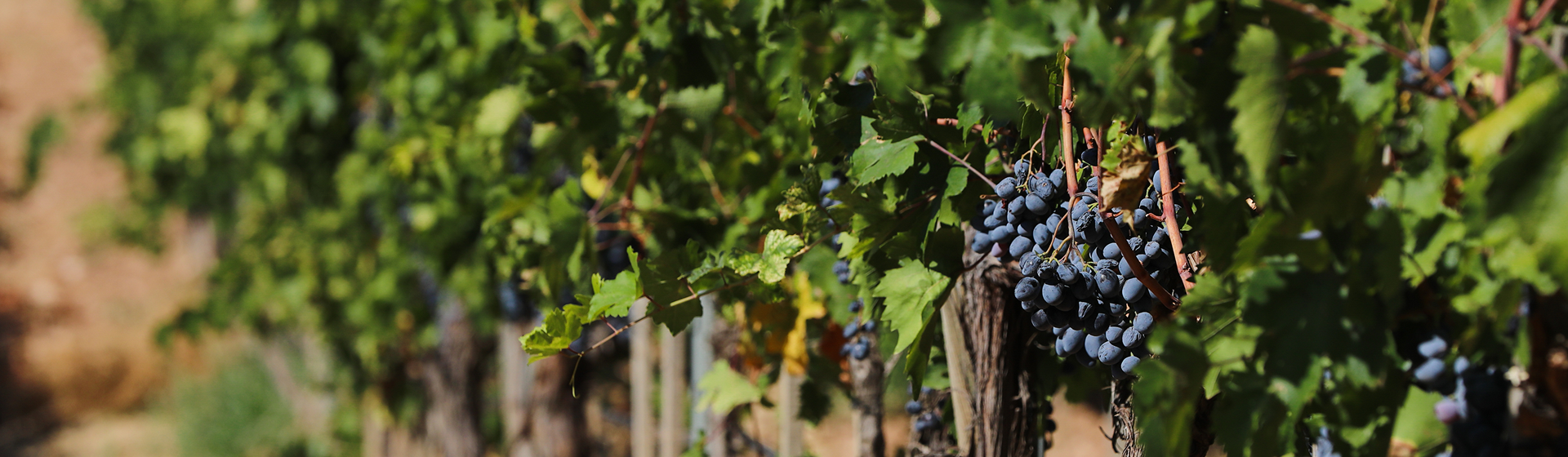
Wine is a drink born from nature itself. It is made by fermenting fresh grape juice and is considered one of the most natural of all alcoholic beverages.
What is fermentation?
Fermentation is a natural process driven by yeast. These tiny microorganisms live alongside grapes in vineyards and wineries. To survive, they consume the sugars in grape must, transforming them into alcohol and carbon dioxide. This simple yet remarkable process is what gives us wine.
How is wine made?
Yeasts, living naturally on grapes, play the leading role in winemaking. By feeding on the sugars in grape must, they convert them into alcohol and carbon dioxide through fermentation. The color of wine comes not from the grape's flesh—almost always white—but from its skin. Red and rosé wines owe their color to the skins being kept in contact with the must during fermentation. If the skins are removed early, little or no color remains, which is how rosé wine is made from black grapes. White wine, on the other hand, can be produced from both black and white grapes. Red and rosé wines can only be produced from black grapes.
How does climate affect wine?
Climate shapes the soul of a wine. Grapes need just the right balance of sunlight, rainfall, and temperature to ripen properly. With enough sun, the sharp acids inside grapes turn into sugars, and their skins mature. Without sufficient sunlight, grapes remain green, hard, and overly acidic. Too much sun strips away acidity, leading to flat, unbalanced wines. Too little sun results in thin, overly tart wines. In short: climate defines the taste, aromas, and acidity of every wine.
What are the characteristics of wines from cool climates?
Cool climate regions receive less sunlight, so black grape skins don't darken as much. This is why white wine production is more common than red. With less sugar in the grapes, the wines have lower alcohol content but higher acidity, as the vines naturally produce more acid to protect themselves from the cold. These conditions create fresh, crisp wines with lively character.
Examples: Northern France, Germany, and other northern European regions.
When is the grape harvest in Türkiye?
Harvest begins once grapes reach their peak maturity. In Türkiye, the season runs from late August in the west through to the end of October in the east. Early-ripening varieties are picked first, while climate plays a decisive role in timing. For high-quality wines, grapes are harvested in the cool hours of early morning or at night and must be processed quickly after picking to preserve freshness and flavor.
What are the characteristics of the Öküzgözü grape?
Öküzgözü is one of Türkiye's most iconic grape varieties. It has large, fleshy, dark-colored berries and grows mainly in Elazığ and Malatya. Harvested between late September and mid-October, it produces medium-bodied wines with high acidity and low tannins. Often blended with Boğazkere but also well-suited for varietal wines, Öküzgözü creates vibrant wines with aromas of ripe cherry, sour cherry, blackberry, and molasses.
What are the characteristics of the Boğazkere grape?
Boğazkere is one of Türkiye's noblest grape varieties, known for its strength and personality. Small-berried, dark, and thick-skinned, it thrives in the dry climate and rocky, sometimes clay-rich soils of Diyarbakır and the region between the Euphrates and Tigris rivers. Boğazkere wines are full-bodied, rich in tannins, and age beautifully. They often display flavors of cherry, sour cherry, and blackberry, complemented by spicy notes. Because of its powerful, astringent character, Boğazkere is frequently blended with the softer Öküzgözü grape.