Diageo Türkiye
We bring together the cultural richness of Türkiye with Diageo’s global expertise. With our premium portfolio, we are redefining celebrations while continuing to grow with a focus on sustainability and inclusivity.
DISCOVER MORE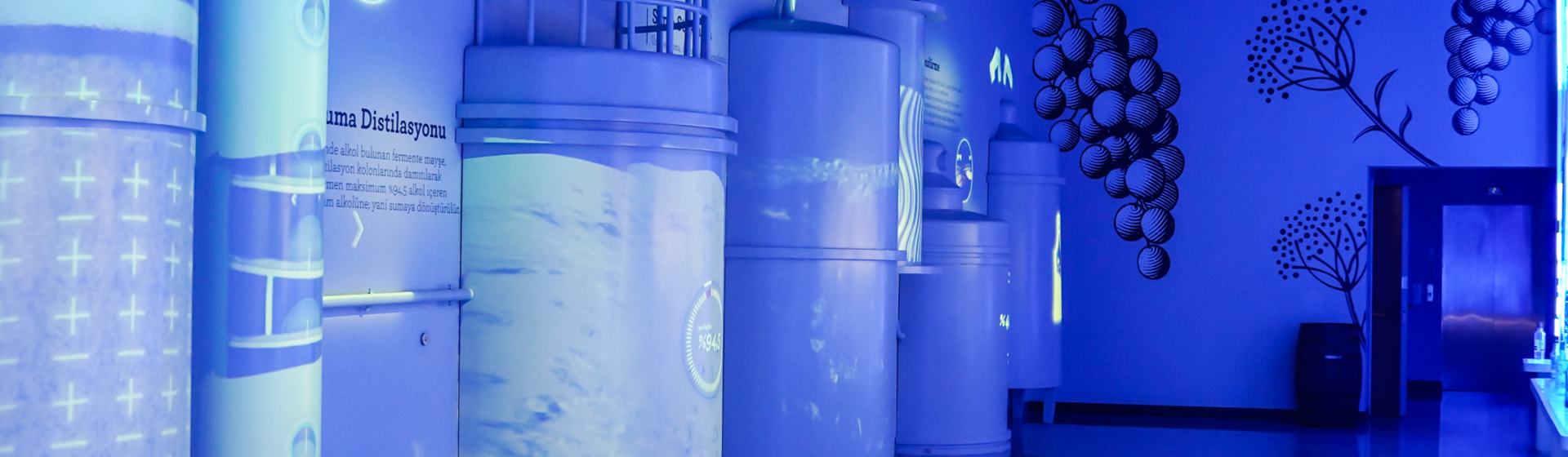
We bring together the cultural richness of Türkiye with Diageo’s global expertise. With our premium portfolio, we are redefining celebrations while continuing to grow with a focus on sustainability and inclusivity.
DISCOVER MOREAs we celebrate life every day and everywhere, we move forward with the ambition of becoming one of the best performing, most trusted and respected consumer products companies in Türkiye. With unwavering passion, we embrace our heritage while shaping the future through innovation and sustainability.
DISCOVER DIAGEO TÜRKİYEAt Diageo Türkiye, we promote responsible drinking, champion inclusion and diversity, and pioneer 'grain to glass' sustainability approach across every part of our business, in line with our Society 2030: Spirit of Progress goals. We place sustainability at the core of everything we do, creating enduring positive impact for Türkiye, our communities and our planet.
Responsible consumption is a core part of the way we do business and the foundation of our brand identity. At Diageo Türkiye, we advocate that alcoholic beverages should only be consumed by adults over the age of 18 and we take great care to reflect this principle in all our communications.
Learn More
Our commitment to inclusivity and diversity makes Diageo Türkiye one of the most desired places to work, and is an integral part of our passion for celebrating life, every day, everywhere.
Learn More
Building a climate-resilient supply chain, supporting our partners, and strengthening the sustainability and impact of our business are among our key priorities. By accelerating our focus on water and carbon, we are taking concrete actions in the areas that matter most for managing environmental risks and seizing opportunities.
Learn MoreJoin our talented team and help build some of the world's most iconic brands.
#LifeAtDiageo
Explore Career Opportunities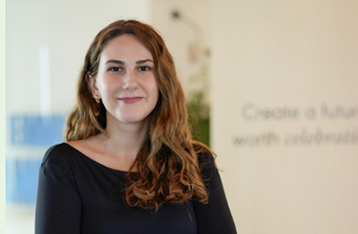
I began my journey in Diageo finance department a year ago through the Graduate program. The rotations offered by this program provided me with valuable exposure to various areas of finance and the opportunity to collaborate with different teams. The experience and support of my colleagues have been incredibly enriching. I am proud to be part of a team and a company that values young talent.
Aslı Dalgalı
Finance Executive
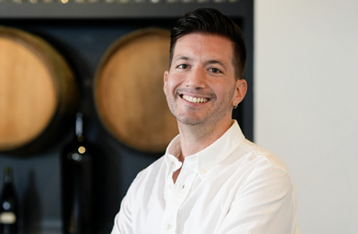
I am part of a team that constantly researches and strives for self-improvement to move Diageo forward every day. In our work, we focus on people, generating ideas that simplify life and create value. I see digital transformation solutions as a significant opportunity to achieve our strategic goals. Every day, I am inspired by the incredible teams and culture at Diageo Türkiye.
Acar Ateşçi
IT Solutions Manager
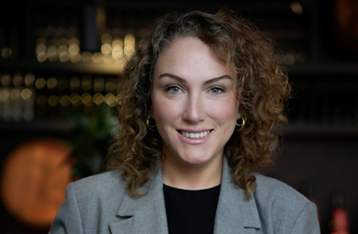
Representing Diageo brands and products which make people celebrate life every day everywhere make me feel proud and lucky from the very first day. As a key account manager, making contribution for consumer access with products availability and visibility in key account stores keep me motivated every single day, with Diageo's innovative and international culture, I'm very excited to help investing in future!
Ayşegül Başa
Customer Business Development Manager
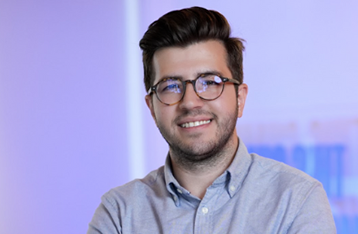
As a Senior Bottling Specialist, I take great pride in ensuring that every bottle that leaves our facility meets the highest quality standards. My role allows me to apply my technical knowledge and passion for excellence to every task. Working in such an innovative and fast-paced environment makes every day different and exciting. Contributing to a team that celebrates the joy of life every day, everywhere through our world-renowned brands is a true honor. Being part of a continuous improvement process enhances my commitment and passion for my work every single day.
Berke Özen
Senior Bottling Specialist
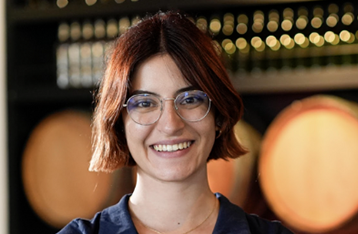
I am very happy to be part of a company like Diageo, which gives everyone the opportunity to be themselves, while providing an environment where they can both use their strengths and discover areas for growth. I feel very fortunate to work alongside my warm and wonderful teammates, celebrating life every day, everywhere.
Deniz Tankurt
Human Resources Executive
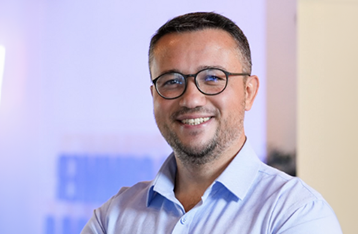
It is a great privilege for me to work as a Senior HSE Specialist at Diageo. Leading safety and sustainability projects excites me with the potential contributions our brands can make towards a more inclusive and sustainable world. Working in this dynamic environment fuels my passion, and I am delighted to be part of an amazing team
Mert Akay
HSE Specialist
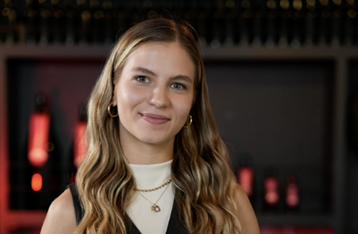
Through the Graduate Program at Diageo, I work as an RGM specialist, collaborating with various functions to drive our brands forward. This role allows me to gain a well-rounded perspective by using both my creative and analytical thinking skills. I am excited to play a part in determining the right strategies, leveraging my past experience in procurement and sales.
Mısra Alptekin
Revenue Growth Management Executive
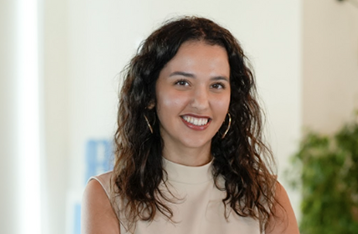
As I enter my second year at the company as a Human Resources Executive in the Graduate Program, I am excited to build on the experience I gained in my first year supporting various functions as an HRBP. Through my current rotation, I have the opportunity to gain new experience in another area of Human Resources. Now, as part of the Culture Team, I take on responsibilities in key areas like internal communications and support culture initiatives within the company, such as promoting psychological safety.
Sertap Varol
Global HR Transformation Executive
Please validate your age
Day
13
01
31
Month
Jul
Jan
Dec
Year
2019
1935
2019
You need to be over 18 years of age to access this website